Article Collecting
How a collection takes shape
BAM Editorial · · 3 min read
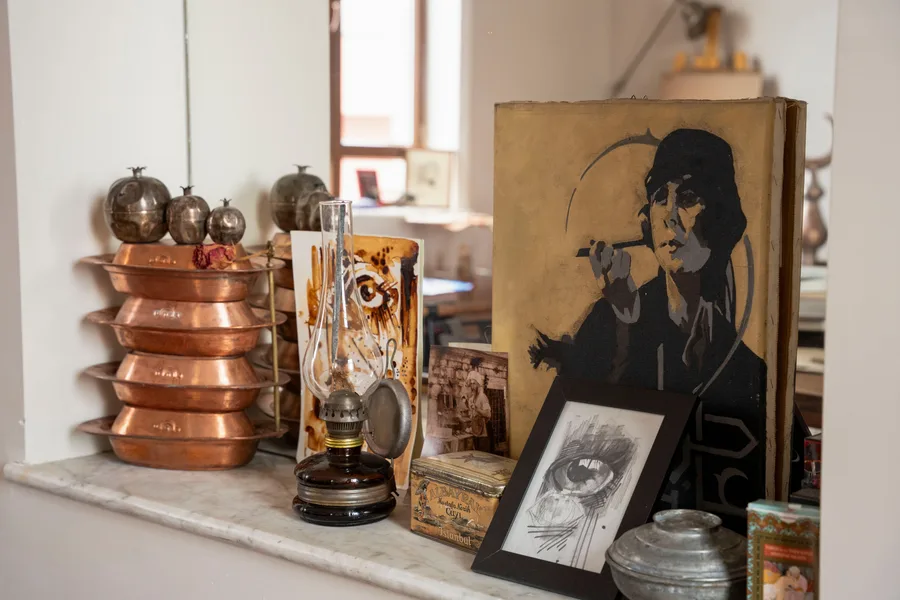
A collection often begins with an encounter with a work that catches the eye and remains in the mind long after leaving the gallery or the artist’s studio. The decision to buy may precede any intention of collecting seriously. Only subsequent acquisitions reveal that this first choice could be the beginning of a lasting interest in a particular artist, period or artistic question.
Over time, the questions a collector asks also change. Alongside the immediate question of why they want to own a particular work comes a desire to understand how it was made, where it belongs within the artist’s practice and why it is considered artistically significant. This interest shapes the criteria for future purchases.
Learning through looking
Knowledge of art grows through reading, conversation and, especially, looking at works in person. Exhibitions, museum collections and studio visits allow comparisons between works that may look similar in reproduction. In front of the work itself, differences in material, technique, dimensions and the way the artist developed an idea become clearer.
Repeated encounters with art help collectors recognise what truly interests them. An initial preference for a particular subject can grow into a study of an artist’s entire practice; an interest in one period may raise questions about what preceded it or its later influence. A collection develops alongside this knowledge.
Criteria for choosing
A collection acquires its character through the relationships between its works. They may share an artist or a period, or be connected by subject, artistic method or the questions they address. Sometimes it is their differences that allow each work to be understood more fully.
Before the next purchase, it is therefore worth considering what a new work brings to the existing whole. Does it deepen an established interest? Does it represent an important stage in the practice of an artist the collector follows? Does it open a direction the collection has not yet explored? The answers support thoughtful choices while leaving room for change and unexpected discoveries.
Talking to a specialist
An art historian can help explain a work, its particular qualities and its significance. Such conversations are especially useful when a collector is considering an unfamiliar artist or field. A specialist’s judgement should be reasoned, with its supporting evidence clearly stated.
With young and emerging artists, attention focuses on the available works and the development of their practice so far. Collectors who follow them from their early exhibitions can observe how particular ideas develop and change. This relationship requires time and curiosity, as well as a willingness to consider art whose historical place has not yet been established.
Possibilities and responsibilities
The scope of a collection depends on the resources available and the conditions in which the works will be kept. When planning a purchase, collectors should also consider transport, insurance, suitable storage and any conservation work. Records of acquisition, provenance and condition should be kept from the outset.
A thoughtful collection can be small. Its character comes from the quality of its choices and the attention given to each work. Over the years it records the development of its owner’s taste and knowledge, as well as the artistic developments they recognised as worthy of lasting interest.